Southern Mosaic
By Aditya Jain
On March 31 1939, when John and Ruby Lomax left their vacation home on Port Aransas, Texas, they already had some idea of what they would encounter on their three-month, 6,502 mile journey through the southern United States collecting folk songs Southern Mosaic, Rachel I. Howard, 1999
Author's Note
The following interactives contain sound recordings and data that may be offensive to visitors. The collection information is presented in its original form from 1939-1940 with related historical context. The text for this piece is derived from the field-notes, with minor inputs from the author of the interactives.John Avery Lomax, born Sept. 23, 1867 in Goodman, Mississippi, had been collecting songs since his childhood in Bosque County, Texas, jotting down lyrics to cowboy songs as he listened. Lomax later taught English at Texas A&M University, researched and collected cowboy songs and, with Professor Leonidas Payne of the University of Texas at Austin, co-founded the Texas Folklore Society, a branch of the American Folklore Society.
The Texas Folklore Society's founding members shared with Lomax a sense that their state's rich folklore needed to be documented and preserved for the analysis of later scholars. Nascent technology such as the radio and the gramophone, it was feared, would end the age-old tradition of transmitting music and lore directly from one person to the next. With professional musicians' works being piped into homes across the country, the purity of traditional music and its particularities of region, religion and ethnicity, could be lost forever.
Circumstances took John Lomax away from his beloved Texas in 1917, when he accepted a job as a banker in Chicago. When his wife, Bess Brown Lomax, died in 1931, a full-scale return to folklore studies, as a lecturer and folk song researcher, gradually revived the despondent John Lomax. The Macmillan publishing company accepted his proposal for an all-inclusive anthology of American ballads and folk songs, and in the summer of 1932 he traveled to Washington D.C. to do research in the Archive of American Folk Song at the Library of Congress.
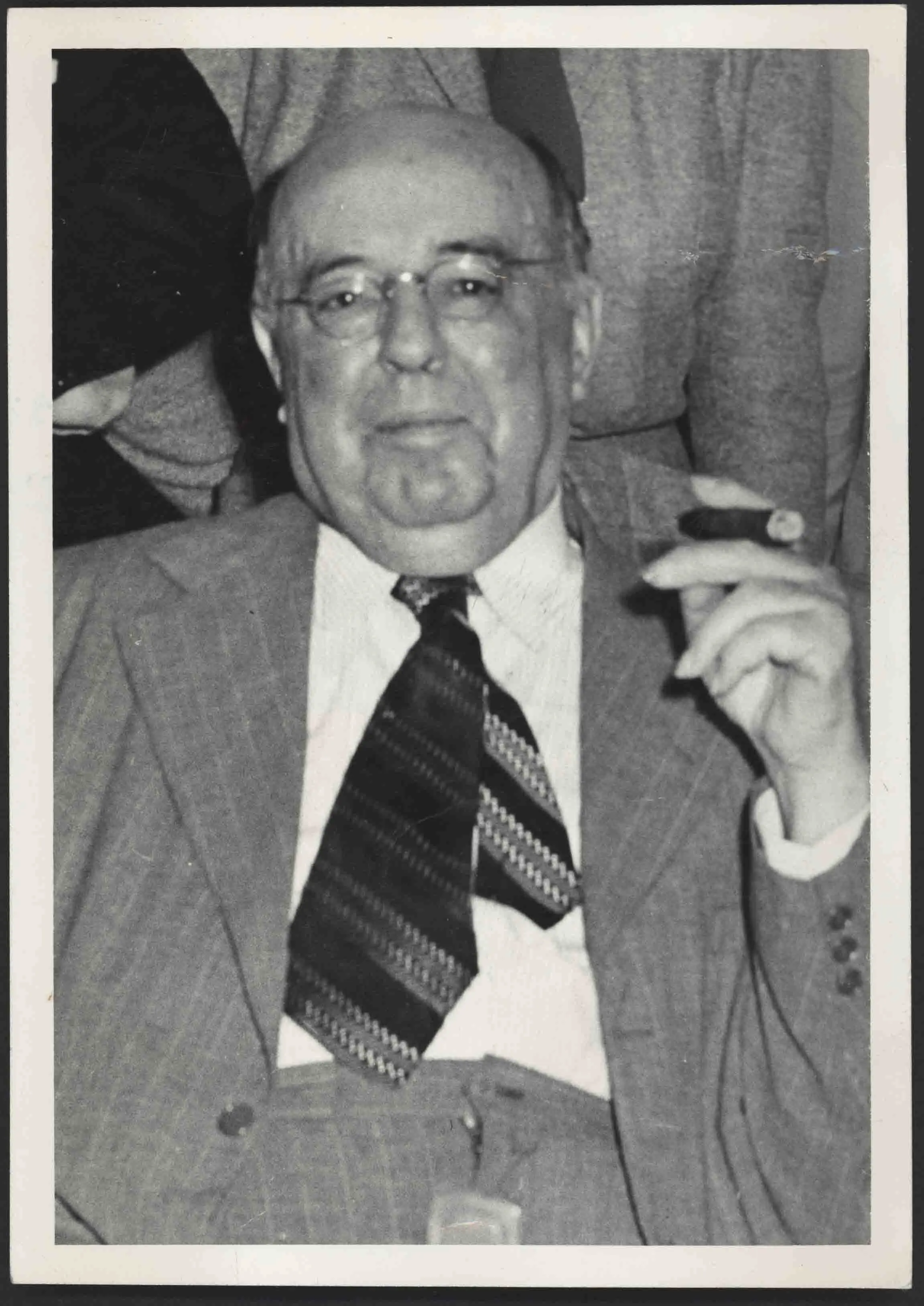
By the time of Lomax's visit, the archive already contained a collection of commercial phonograph recordings and wax cylinder field recordings of folk songs. Lomax made an arrangement with the Library whereby it would provide recording equipment (including recording blanks), in exchange for which he would travel the country recording songs to be added to the archive. Thus began a 10-year relationship with the Library that would involve not only John but the entire Lomax family.
Thanks to a grant from the American Council of Learned Societies, Lomax was able to set out in June 1933 on his first recording expedition under the Library's auspices, with his 18-year old son Alan. John and Alan toured Southern prison farms recording work songs, reels, ballads and blues from prisoners, whom they believed represented an isolated musical culture "untouched" by the modern world.
Throughout that summer, as John Lomax traveled across the South, pursuing his lifelong interests, he courted Ruby Terrill by mail. They were married on July 21, 1934, in Commerce, Texas.
Ruby Terrill, called "Miss Terrill" by John Lomax even after their wedding, first met her future husband in 1921. A native Texan, she was dean of women and instructor of classical languages at East Texas State Teachers College in Commerce, Texas, when John Lomax lectured there on his cowboy song research. After she gave him and his young son, Alan, a tour of Commerce, he enlisted her as a babysitter. More than a decade later, the widowed John Lomax reintroduced himself to Miss Terrill, now a classical languages M.A. from Columbia University; co-founder of the pioneering woman educator's professional society, the Delta Kappa Gamma Society International; dean of women at the University of Texas at Austin; and Alan Lomax's Latin instructor.
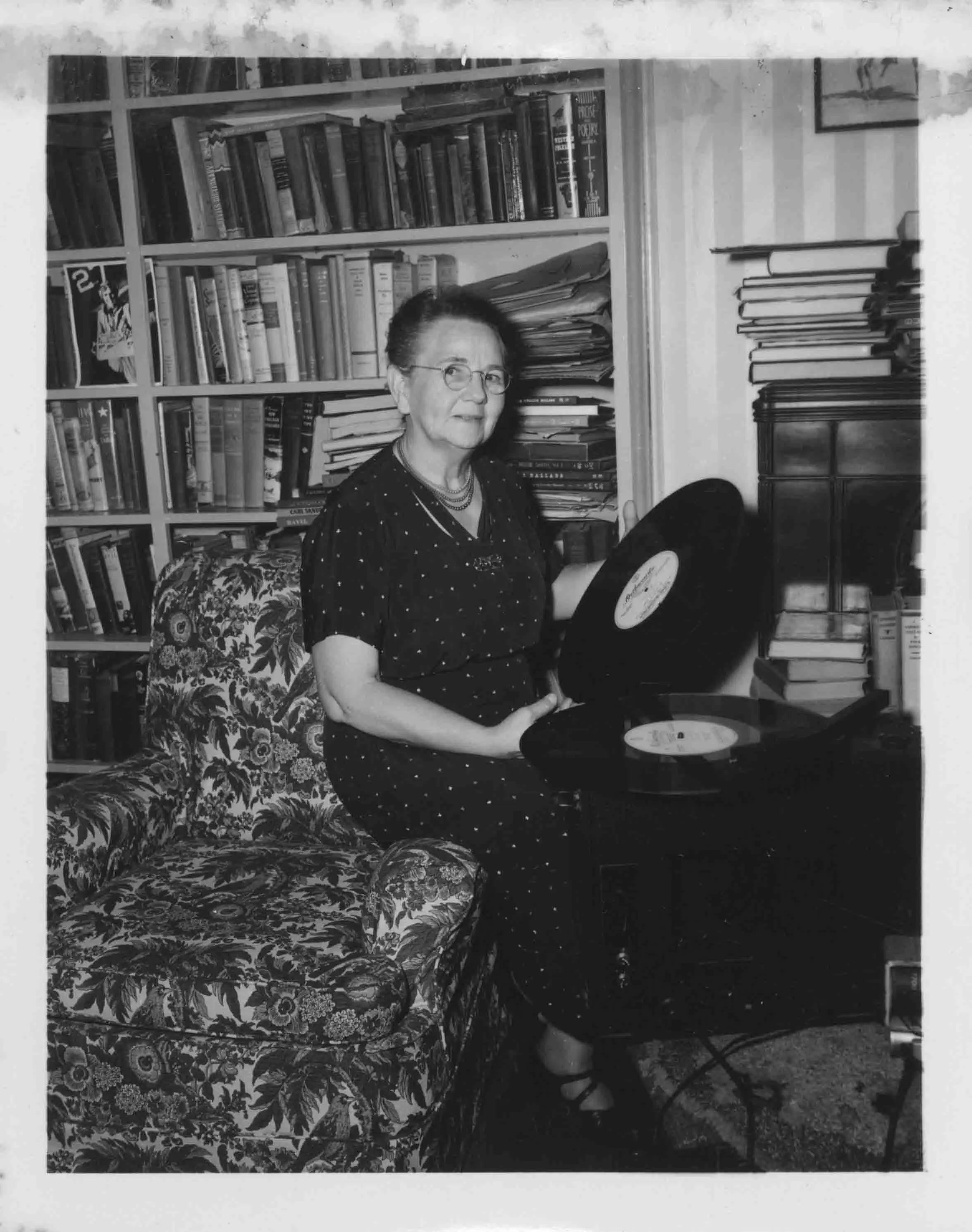
His newlywed status did not prevent John Lomax from continuing to make disc recordings of musicians throughout the South. Meanwhile, Ruby Terrill Lomax continued working at the university, overseeing the home and family and taking care of a number of duties for her husband's research. In 1937 she decided to exchange the academic pursuits and frenetic schedule of her life in Austin for the intellectual pursuits and equally frenetic pace of life on the road with a ballad hunter. The Lomaxes made a house outside Dallas (called the "House in the Woods") their permanent residence, then drove away in Ruby's Plymouth on a scouting tour of the Southern states. The classics scholar evidently enjoyed the expedition, and threw herself wholeheartedly into it.
Ruby Terrill Lomax's role in the success of the 1939 Southern States Recording Trip cannot be overemphasized. She composed nearly all written documentation relating to the collection. She cataloged the contents of each disc on the record's dust jacket as the recording was taking place. According to Frank Goodwyn, a ranch hand who sang cowboy songs for the Lomaxes in April 1939, Miss Terrill operated the Presto machine while John instructed and encouraged the performers.
After the trip, at the Library of Congress she transcribed song lyrics and composed and typed much of the 307 pages of field notes. In addition, Ruby's voice can be heard on a number of the recordings, carefully announcing the performer's name and the date and location of the recording. While her husband possessed the expert knowledge of the material he was seeking and collecting, Ruby Lomax possessed the organizational and archival skills of a longtime administrator and instructor, the wide-eyed wonder of a lifelong learner uncovering a whole new world of studies and the social skills of a parliamentarian who was a key player on many teams.
In 1940, when the couple traversed the same path through the South, she took on the additional role of photographer. Many photographs from the 1940 recording expedition accompany this piece.
Visualizing the journey
John and Ruby Lomax travelled for 6,502 miles in their journey, across 10 different states in 3 months. We visualized a possible route they might have taken using the recorded dates of sound recordings and a 1939 map of Southern roads from the Library of Congress Maps Collection.