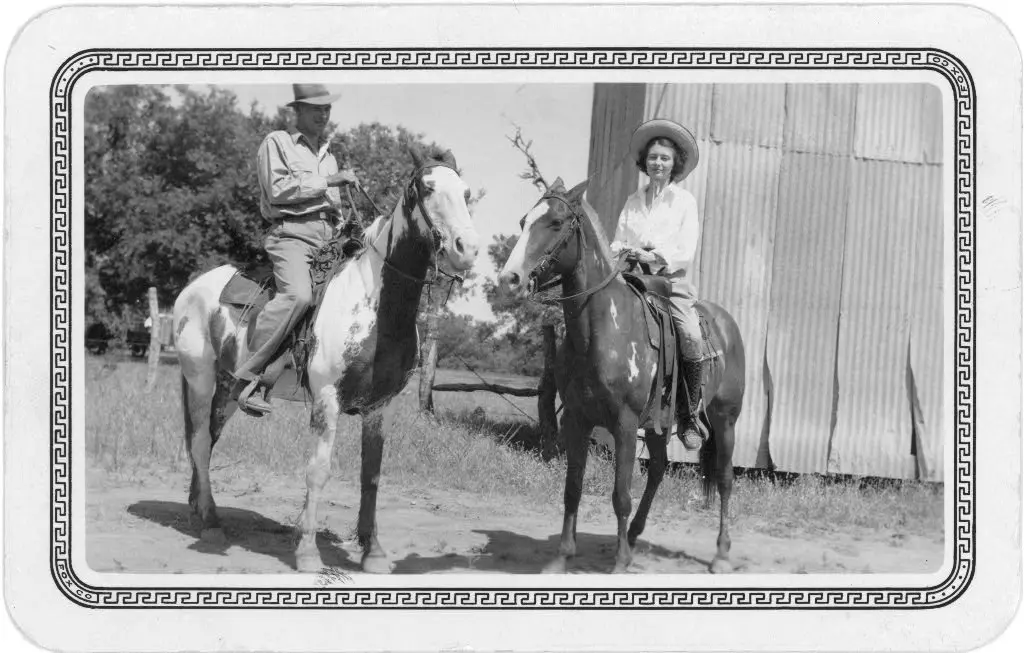
Texas
We left Port Aransas, where we had spent the winter months, on March 31. At Aransas Pass, on the mainland, we unboxed and loaded into our Plymouth the fine almost-new recording machine, microphone, stand and converter, leaving the two heavy batteries to be shipped directly to Houston by express. Then we headed for Austin wheere we knew a mechanic who could check the machine to be sure all parts were there and working. 1939 Southern Recording Trip Fieldnotes
The Lomaxes arrived in Houston on April 4, 1939, where they set up headquarters there for the next two weeks. The engagement that set the date for this trip was a performance of a Sacred Drama, The Good Thief, about which Sister Joan of Arc of the Our Lady of the Lake College had written to the Lomaxes. It was to be presented on Easter Sunday, April 9, at Guadalupe Church, Houston, by a group of Mexican Texans led by the Gozalo Lopez Family of Sugarland. Unfortunately after two of the choruses had been recorded ► the batteries failed; they visited the Lopez family at their home in Sugar Land two weeks later to capture the entire drama.
Some of the first recordings made on the trip are by John B. Jones, a former student of John Lomax at the Texas Agricultural and Mechanical College. While at college Jones had became interested in folk songs and was helpful in bringing in folk materials. This was an interest he had kept. At Jones' home in Houston, on April 10, John Lomax recorded old tunes with words, including a 'Bawdy song' ► The British King, that Jones had learned from various sources. His mother, Mrs. Kate W. Jones, who had come to Texas from Mississippi in 1868, also knew and recorded several fragments, mostly children's songs such as ► All Those Pretty Little Horses.
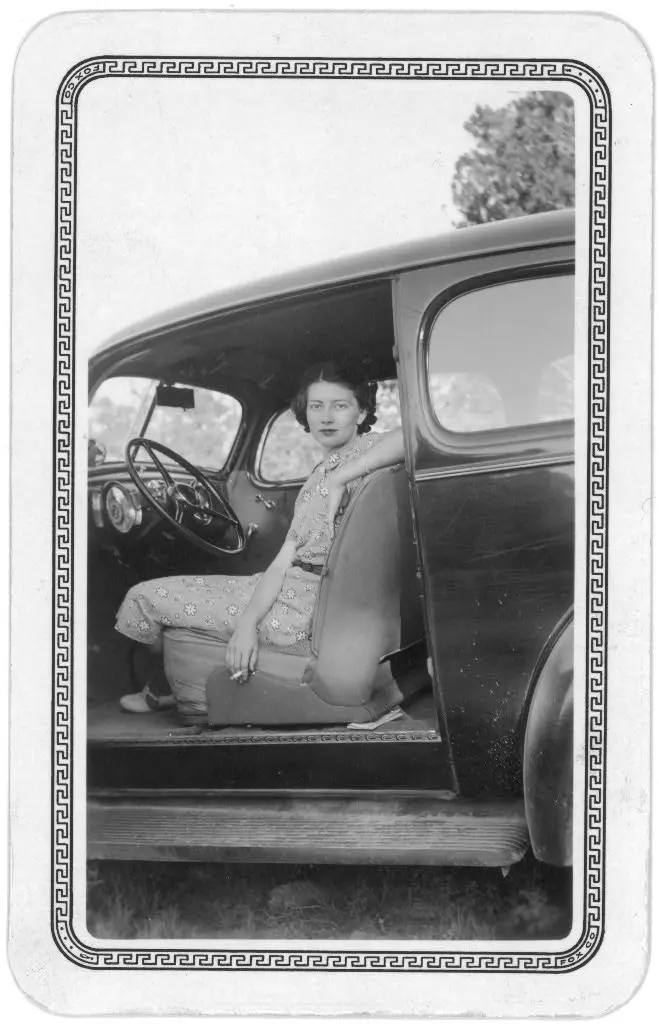
On April 12, 1939, the Lomaxes recorded John Lowry Goree who was educated at Judson College; his great-grandfather, a trustee of that college and plantation owner, gave his children the plantation. Mr. Goree's mother died when he was born; as a small child he had Scrofula and was sent to the plantation to be nursed by an old 'mammy', Aunt Harriet and he lived in a log cabin with her for two years. From her he learned the lullabies, such as ► Who Curled Your Hair, by which he was often sung to sleep. Furthermore he sang his own children to sleep by them.
One particular recording made by Goree, ► Negro Prayer About 4-Cent Cotton, stands out. It contains one of the few textual references to the Great Depression in the 1939 Southern Recording Trip. The recording obliquely or directly references practices such as tenant farming and sharecropping, the New Deal, the crash of 1929, as well as the Presidency of Franklin D. Roosevelt.
"Yon comes Bre'r Zeke; he ain' much on preachin', but he's 'bout de out-prayin'est Parson dat ever went to town on Satday ... back in 1932, Bre'r Zeke walked out to de aidge o' de pulpit 'n' rolled his eyes up to de sky, 'n' stretched his arms straight out in frontta him, 'n' start prayin': ... Now, Oh-o Marster, Thou seeth me in dese days o' 'versity; Oh-o Marster, Thou seeth me gwine upn' down de cotton fiel', tryin', Oh-o Marster, tryin' by de sweater my brow ter feed six chilluns wid some fo' cent cotton. Thou seeth me on a Sunday mornin', gwine down de Big Road, wid my elbows out, an' de botooms o' my foots reachin' de groun' thu de soles o' my shoes; Thou hath heared de Boss-man say dat de cotton us done riz won' 'pensate him fer de meat us done et. Now, Oh-o Marster, even as Thou knoweth all things dat be's possible, Thou knoweth also dat feedin' six chilluns wid some fo' cent cotton ain't one uv 'em ... ' Folks, you know dat prayer hit got answered, yessir, hit sho' be's answered, fer 'twarnt long 'fo' de Good Lord tuck an' drapped dis here Mister Roosevelt right down in Bre'r Zeke's arms, an' said: "Gi' dat n***** ten cents fer his cotton!" 1939 Southern Recording Trip Fieldnotes
The next day the Lomaxes recorded Ray Wood, a "T-man", who had seen service in many parts of the U.S. possessions. He was brought up in Arkansas and had retained an affection for the homely rhymes and jingles of the backwoods. He recorded several "American Mother Goose jingles" such as ► Granny, Will Your Dog Bite and ► Sugar Babe
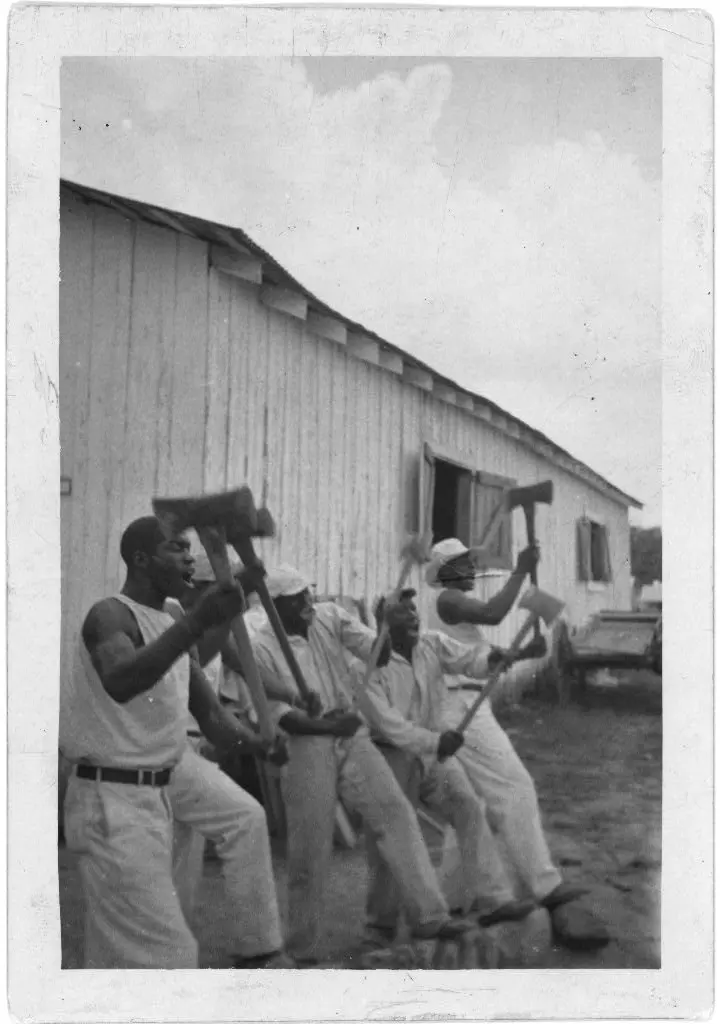
On Saturday, April 15, we drove over to Clemens State Farm, a few miles away to arrange for a meeting with "the boys", Negro convi[c]ts stationed on the farm. On Saturday the boys who were working near headquarters were hauling dirt, grading, clearing ditches and otherwise improving the grounds around a new brick and steel dormitory. A group of ditch-diggers was working in time to the musical calls of the leader. We arranged to return to make records on the next day, Sunday, and returned to West Columbia to rent batteries for power, the dormitory being wired for DC current. 1939 Southern Recording Trip Fieldnotes
When the Lomaxes arrived at Clemens State Farm on April 16th, after John Lomax had made some suggestions as to what kind of music he wished to record, musicians and singers volunteered or were pushed forward by their companions. Some people such as Ace Johnson and Smith Cason already had had experience before the microphone, since they were sometimes on a program called "Behind the Walls", broadcast from the Huntsville, Texas Penitentiary on Wednesday nights. After two hours the Lomaxes stopped for lunch, they being served with the white guards, and after lunch they recorded for an hour or so until the time came for "base-ball practice and preaching services".
Work songs were used by African American railroad work crews in the southern United States before modern machinery became available in the 1960s. Anne Kimzey of the Alabama Center For Traditional Culture writes: "All-black gandy dancer crews used songs and chants as tools to help accomplish specific tasks and to send coded messages to each other so as not to be understood by the foreman and others. The lead singer, or caller, would chant to his crew, for example, to realign a rail to a certain position. His purpose was to uplift his crew, both physically and emotionally, while seeing to the coordination of the work at hand. It took a skilled, sensitive caller to raise the right chant to fit the task at hand and the mood of the men. Using tonal boundaries and melodic style typical of the blues, each caller had his own signature. The effectiveness of a caller to move his men has been likened to how a preacher can move a congregation." Wikipedia
The recordings made at Clemens State Farm comprise mostly of the Blues and work songs. The recordings include a poignant work song titled ► Old Hannah that addresses the Sun and asks that it "rise no more". Alan Lomax later remarked that 'Old Hannah' is "the American Volga Boatmen". Other notable songs include the 'Disaster Ballad' ► Influenza
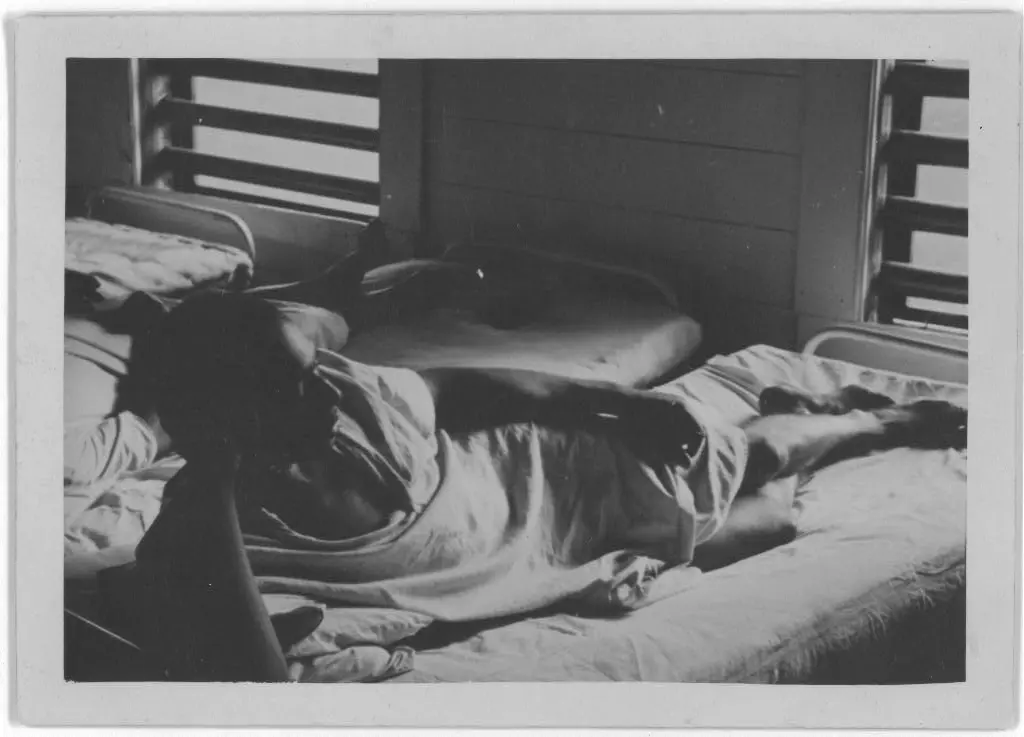
The Lomax also made a fruitless trip to the Central State Farm near Sugarland, Texas. On previous occasions the Lomaxes had acquired material that they were looking for but this time they found that "The old crowd had scattered, the new boys sang fewer of the old songs and in performance imitated radio artists. We did not set up the machine."
The Lomaxes proceeded on to Camp Four of the Ramsey State Farm. With the help of the Captain and some of his guards they located some singers, who were admitted one by one or by small groups into a small office where the recording machine was set up. One of these groups included Columbus Christopher, Alexander Hamilton and George Washington, who sang for them under guard, behind three sets of locks.
It was customary to set down nicknames of singers along with their names, which caused some embarrassment at Ramsey. In routine manner, "What is your name?" asked Mrs. Lomax of one of the singers. He gave it readily. "Your nickname?" No reply, just a shuffling of feet. "Haven't you a nickname?" Again a shuffling of feet, and then hesitatingly: "Dey calls me Monkey." A swift glance at the boy's features stopped the usual "How did you get that nickname?" Mrs. Lomax changed to an embarrassed and especially cordial "Thank you." Supper with the white guards closed our day at Ramsey. 1939 Southern Recording Trip Fieldnotes
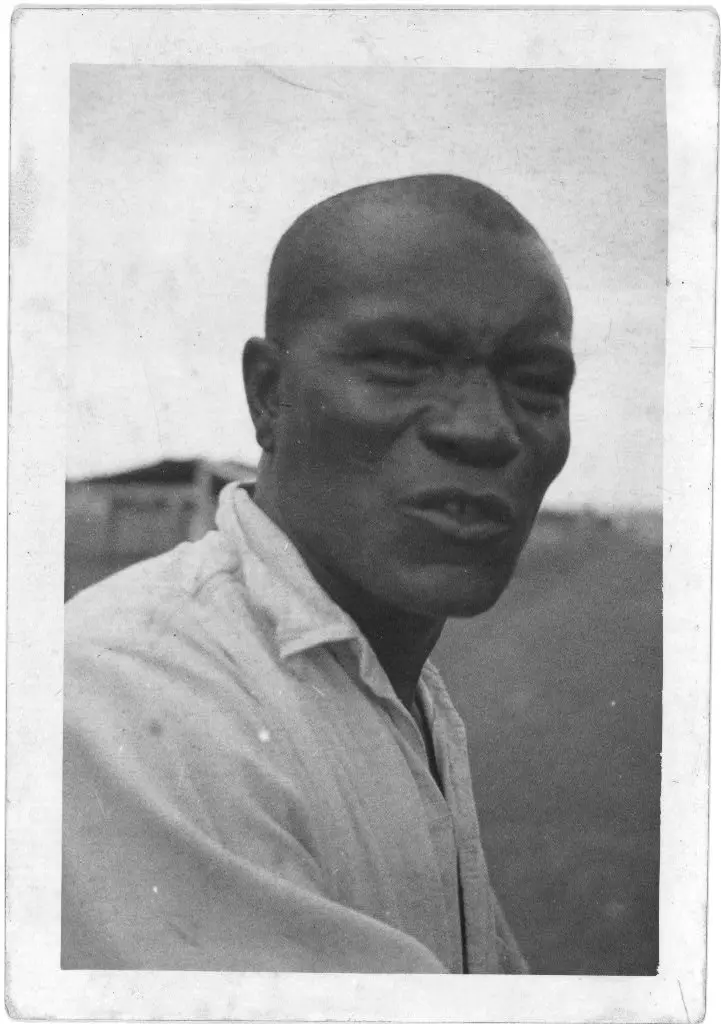
At Ramsey, the Lomaxes also located James "Iron Head" Baker, who had previously made many recordings for them and had also toured with John Lomax on a recording trip through the South. The field-notes report that Baker was initially reluctant to come forward for he was ashamed that John Lomax, who had successfully petitioned for his parole in the past, would find him in worse case. Finally, he interrupted a group that was singing a popular music-hall ditty and said "No he don't want that kind o' stuff. This is kindly what he's after", and he started singing an old-time spiritual. Baker then recorded spirituals such as ► Will You March Down and ► This Heart o' Mine
Iron Head claims his nickname from this story: One day when he was cutting timber, a big tree caught him and one of its largest limbs struck him down across the head. The limb broke in two, but Iron Head shook it off and went on back to work. 1939 Southern Recording Trip Fieldnotes
On April 23, as previously agreed, the Lomaxes travelled to the Gonzalo Lopez farm home, to record not only the seven songs of the drama "The Good Thief", but also secular folk songs of the Mexican border such as ► La vida de los arrieros and ► Yo ya me voy, which Mr. Lopez had used as his courting song.
The presenting of the play "Morir en la cruz con Cristo, o Dimas, el buen ladron" or the "The Good Thief" had been traditional with the Lopez family beginning with their elders in Mexico. It had occurred to some one of the family, Lorenza Lopez, some fifty years ago that the drama would be more effective if the lyrical parts were sung. Lorenza Lopez approached an old school teacher in Coahuila, Lorenzo Flores, who after praying over the matter for several days, set the verses to tunes which he taught the Lopez family. The tunes were handed down from generation to generation of the Lopez family without written music.

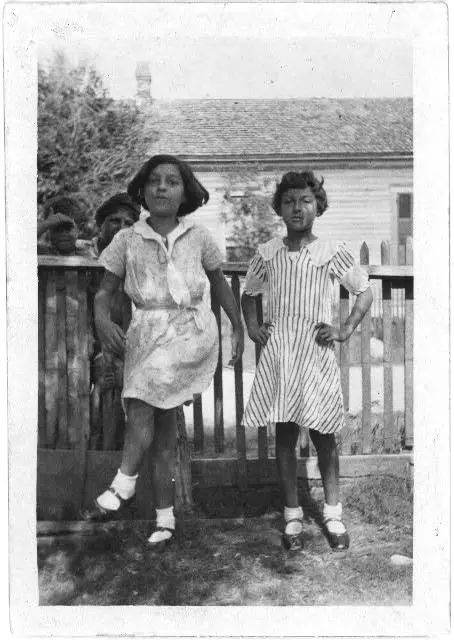
The Lomaxes were introduced to Manuela Longoria, the principal of a suburban grade school of pupils from Mexican families. Longoria's songs are traditional, most of them from her mother and her father, a Confederate soldier who had served along the border. The field-notes also mention that her grandfather had joined the Union army.
Among Longoria's songs is ► La chinaca a song that was composed by a group of about fifty Confederate soldiers, among them her father, to give warning of the Federals who they heard were coming their way. Longoria also mentions the story behind the song ► La rancherita: "I was youngest of nine children in the family and my father's favorite. When he would come home on his big handsome horse from one of his five ranches, he would begin to sing this song way down the road as a signal to me to meet him. Then we would dance together to he snappy music. My mother thought it was silly."
The Lomaxes made enough songs to fill three records at the Blalack School, three miles from Brownsville, where Longoria was principal. The recording at Blalack School was made in a large classroom, the children sitting around the machine on the floor, watching every move of singers and recorders. The field notes report that the children could not spell Spanish words and that their written and spoken school work was done in English. Songs recorded by the children of Blalack School include ► La pajara pinta and ► Children of America
Jose Suarez was introduced to John Lomax by J.K. Wells, a succesful businessman and lawyer. Suarez himself became blind at the age of ten months and made his living singing and playing his guitar on the streets, at dances and in drinking halls. Suarez, who walked with the aid of a cane, had a wide repertoire of Mexican and Spanish songs and tunes which he recorded for the Lomaxes. One song that particularly stands out is ► Yo cuando era nino - mi padre querido that tells the story of the vagrant Mexican cotton pickers.
Prior to 1904, the date of the first railroad in this part of the country, there was a general exodus of Mexicans picking cotton from Brownsville to Mississippi and beyond. They moved north as cotton matured, then walked back. Due to the boll weevil cotton prices were low and therefore so were cotton-picking wages. After the railroad came in, the contract system was intoduced, that is, contractors loaded their groups onto the trains, and trooping by foot ceased. 1939 Southern Recording Trip Fieldnotes
Mrs. Henry Krausse was introduced to John Lomax by Judge Hobart Debenport, a prominent Texas lawyer with a keen interest in the Texas State Historical Society. Mrs. Krausse was the wife of the vice-consul of the United States in Matamoras. She belonged to the prominent Crixell family in Brownsville, being the daughter of Officer Crixell who was shot down in the 1912 feud between Texas Rangers and Brownsville officials. On April 28, she recorded a four-line ballad about this feud, ► Corrido de los rangers, that was written by a Brownsville citizen.
Mrs. Krausse's maid, a Mexican girl by the name of Dolores Reyes, sang ► El Remolino, which she said she learned in Matamoras as well as another song, also Spanish, whose title she did not know. The Lomaxes recorded the title as ► The Disappointed Lover, since Reyes said it was composed by a lover, sung to a girl who jilted him.
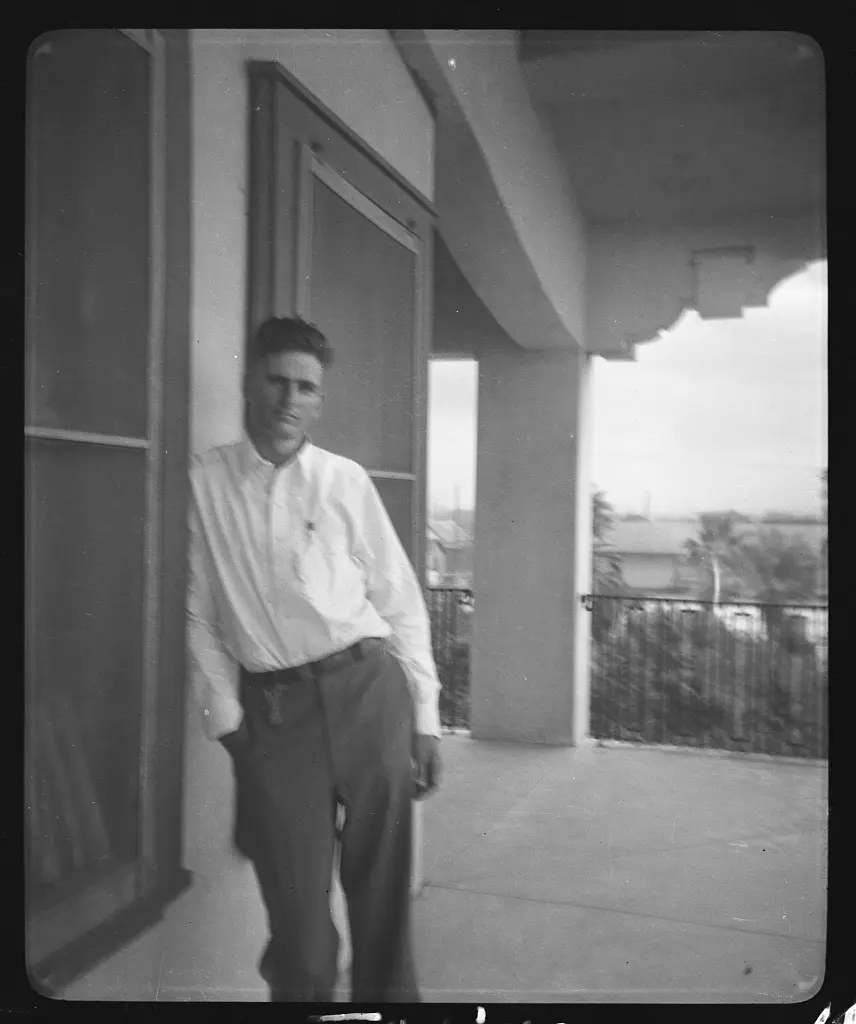
It was Mrs Edward Lasater of Falfurrias who informed the Lomaxes about the champion fiddler, Mr. Lake N. Porter. Porter, 85 years old, was a charter member of the Texas Old Trail Drivers Association and a former sheriff in Goliad County, Texas. He recorded many fiddle tunes for the Lomaxes, including his favorite ► Black Jack Grove
Frank Goodwyn was brought up on the King Ranch, where his father was a foreman and where Frank himself had learned the arts of the cowboy. On the ranch he had learned the many tales popular then among the Vaqueros and the English-speaking cowhands, also picking up their traditional local ballads and dance tunes. In 1939 he was a student at the College of Arts and Industries at Kingsville, Texas interested in the study of English literature, in music and how to write English compositions. A professor of English at the college told the Lomaxes about Goodwyn.
Goodwyn learned many of his songs from his mother and from Blind Eddie, a fiddler who used to hang around Goodwyn's uncle's country store. One night Goodwyn played for two hours in the Lomaxes' tourist camp room, mostly American cowboy songs and "funny" songs that he had learned from his mother.
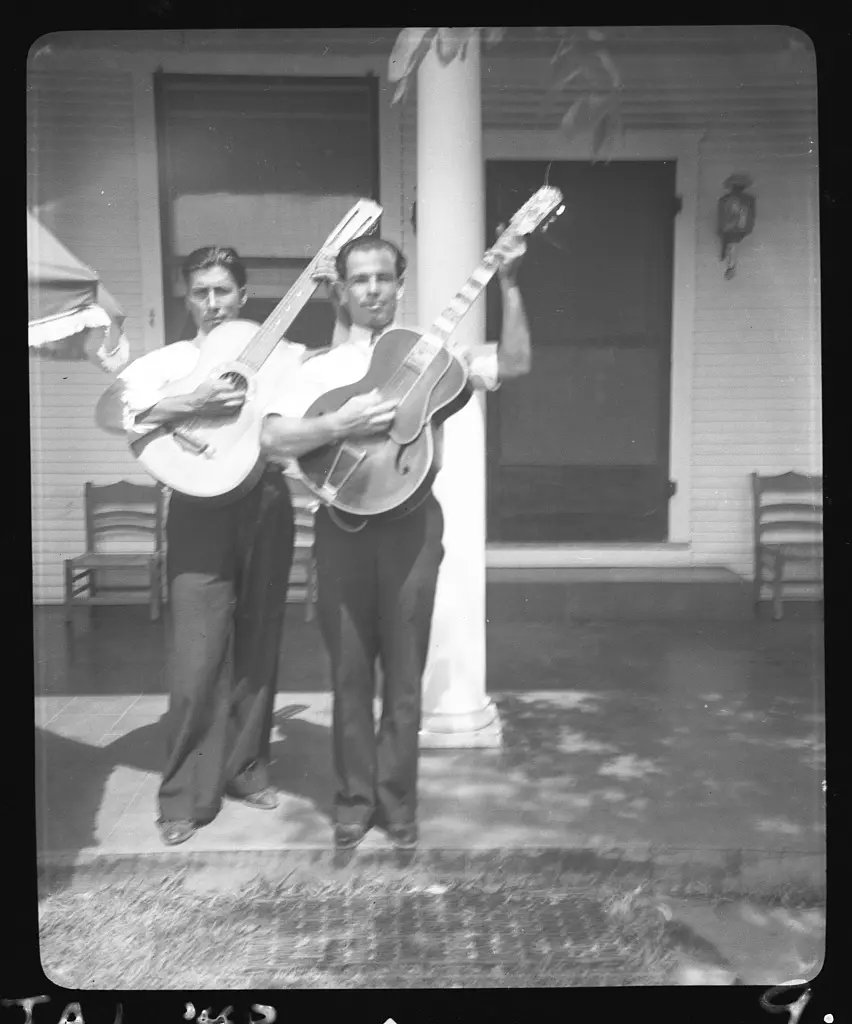
The next day, being Saturday, Goodwyn took the Lomaxes to Sarita, Texas on the edge of the great Kennedy Ranch. They were searching for a certain Mexican feud ballad which a blind store-keeper in Sarita knew. Goodwyn had formerly taught school there and knew all the people there well. Lopez, the proprietor of the shop was not in but other musicians were around, and so the Lomaxes set up the machine on a store-counter. One by the name of Manuel Salinas consented to second Goodwyn with the guitar, and they played ► Chinese Breakdown.
This was the usual bare, dusty, poorly equipped general merchandise Mexican store. One glance around took in a few cotton dresses, bandanas, belts, dried oranges, boxes of salt, sheet-iron stove, a dozen Irish potatoes, a few cans of milk, tobacco, an old phonograph, bottles of patent medicine with faded labels, a pair of rlk horns, a dusty violin. 1939 Southern Recording Trip Fieldnotes
After a while Lopez, the blind poet, musician and proprietor, came in. He acknowledged that he knew the ballad but he refused to sing it into the microphone on the grounds that it was unworthy literature, and said he would not degrade himself by going on record with it. He refused even to repeat or to write out the words of such a lowly ballad, but finally Goodwyn, taking him aside, persuaded Lopez to whisper the words to him, and in trying to recall the words in spots he hummed the tune two or three times. This was sufficient for Goodwyn's quick ear and retentive memory; from this humming he caught the tune, practiced the song with his guitar over night, and sang the ballad ► Don Benefacio e Don Coy into the microphone the next day.
Another notable recording made by Salinas and Lopez is ► Versos del mojado, a ballad that speaks of the trials of a "Wet-back" who has come across the Rio Grande River into the United States without required credentials. The field-notes report that "Allegedly he is called Wet-back because he leaves the wet Rio Grande behind him as he faces the dry streams of Texas"
Olga Acevedo and Ruby Wilson were introduced by the founder of the Tennessee Folklore Society. Both were students at the College of Arts and Industries and their recordings were made under the grandstand of the college stadium. Acevedo, who told the Lomaxes that she learned most of her songs from her mother, made recordings of children's songs and lullabies such as ► Lairon, lairon, lairito.
The founder of the Tennessee Folklore Society also introduced the Lomaxes to the Moye family. William Moye was a missionary to Mexicans, in charge of the Baptist Mexican Mission at Kingsville. He also taught at night in the U.S. Citizenship Training Corps. Carmen Taffinder Moye was born in Torreon, Mexico, the daughter of a well-known physician, Dr. S.N. Taffinder. William Moye invited the Lomaxes to set up their machine in his home, where his wife and children recorded some Mexican Border play party and other children's songs such as ► Maria, Maria and ► Naranja dulce.
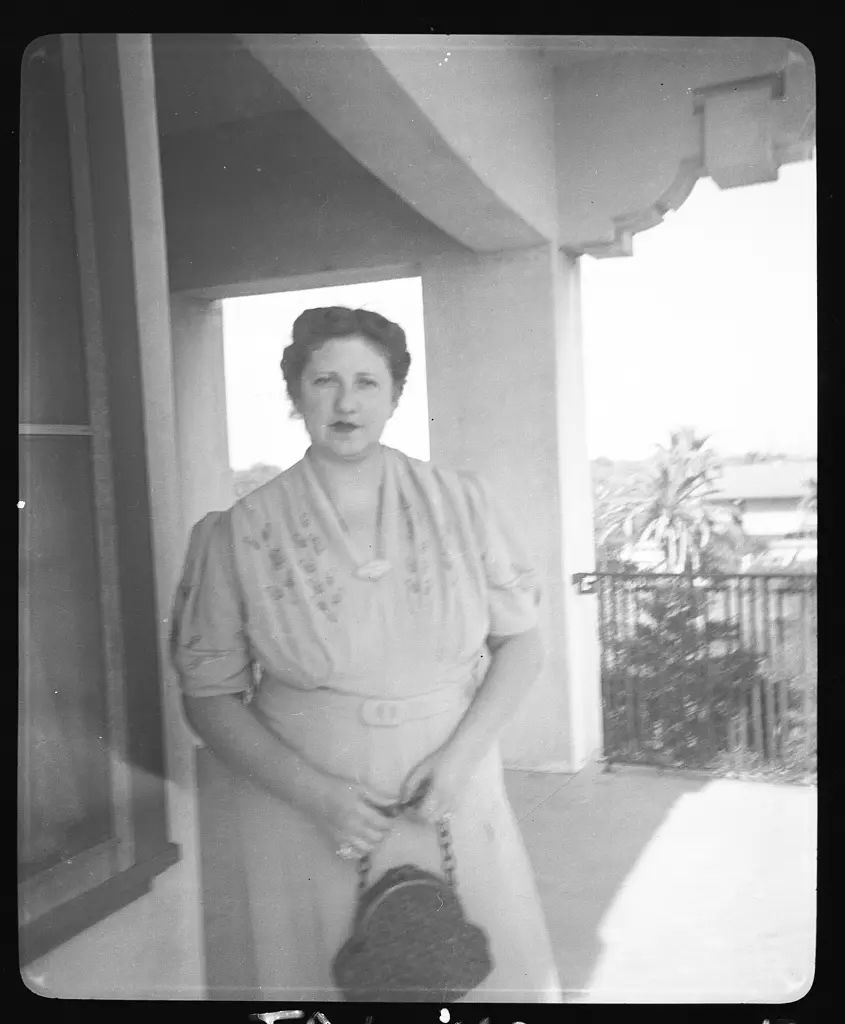
Senora Isabella Salazar was introduced to the Lomaxes by Octavio Perez, a teacher at the Stephen F. Austin Grammar School in Kingsville. Perez himself was making a collection of Mexican play-party and children's songs, and told the Lomaxes that Mrs. Salazar was his "find". Senora Salazar did not then speak English, but knew a wide variety of songs, most of the old ones learned from her nearly ninety year old mother.
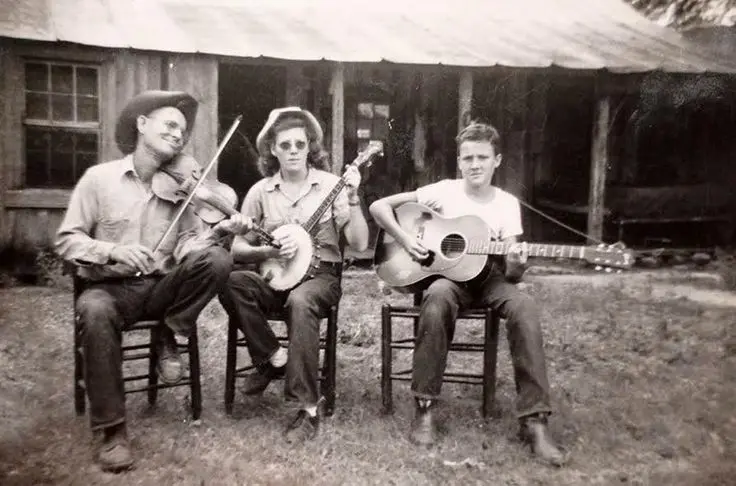
On arrival at Bandera, Texas on May 3, 1939, John Lomax conferred with the editor of the Frontier Times and decided to interview a group of people that included Elmo Newcomer. Lomax notes that Newcomer had the "reputation of being the best dance caller in the county". His ► Rye Whiskey, known in some parts as Drunken Hiccups, was famous in the "Hill Country" of Texas. Newcomer himself recognized John Lomax as the author of 'Cowboy Songs and Other Frontier Ballads' published in 1910.
His greeting to Mr. Lomax was "Shake, boy. I've heared about you all my life. Me an' a neighbor boy was both left to live alone with our fathers. We read in a paper when we was about fourteen years old, that you was selli' a book of cowboy songs. So we scraped our savings together an' sent' em to you an' sure 'nough here come the book. Here, Clyde, Bring me that cowboy song book. Can you reach it? (It's put away up high where the baby can't get to it). We read it and sung from it so much and loaned it out so much that it's might nigh tore up." There was the book of cowboy songs, no two pages hanging together, but apparently all there between the covers, one of the 1910 edition. Newcomer meets John Lomax, 1939 Southern Recording Trip Fieldnotes
In the afternoon of May 4, the Lomaxes recorded C.W. Saathoff and J.O. Evans' rendition of the ► Fox and Hounds, with Charles Eckhardt blowing the horn and calling the dogs using an old-fashioned cow-horn which he had polished himself and had used on his ranch for many years. He recorded other ranch calls made with this horn in ► Calling Farm Animals. The Lomaxes note that all these men were Hill Country" ranchmen. Eckhardt was a skillful tanner, leather-tooler, hunter and fisherman. When he visited the Lomaxes' cabin he was wearing his "new" buckskin shirt, which he had shot, dressed, treated and sewed himself, and which he had been wearing five years. He had a complete Indian outfit which he made by the same process.
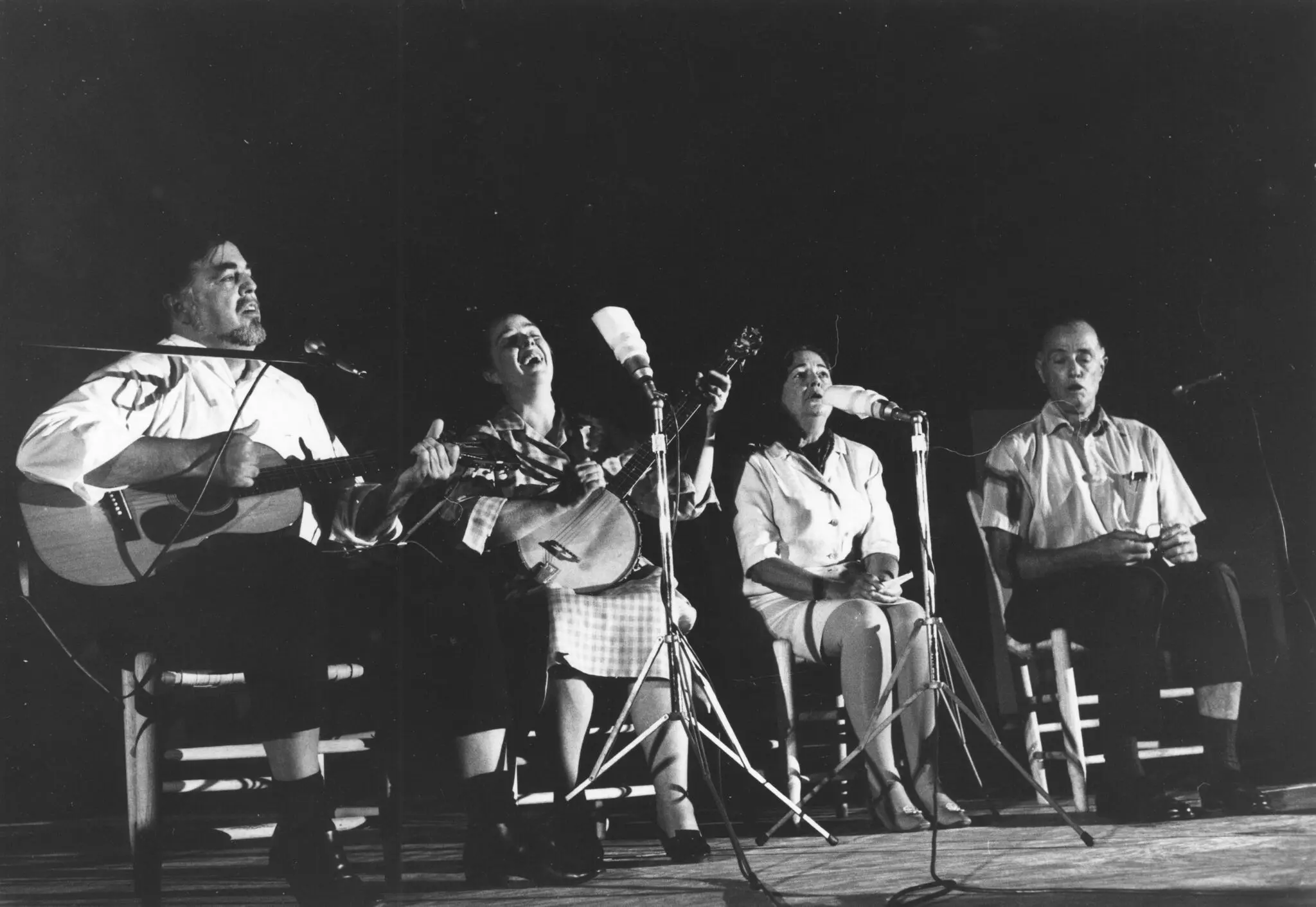
On May 7, the Lomaxes made recordings in the home of Judge and Mrs. Oscar Callaway in Comanche, Texas. The person being recorded was no other than John Lomax's daughter Shirley Lomax Mansell. Mansell recorded songs that she had learned from her mother, and John Lomax's deceased first wife, Bess Brown Lomax. Mansell's most notable recording is ► All the Pretty Little Horses, a classic southern lullaby, for which she herself wrote the following note
All the Pretty Little Horses is a family song. There is not a time when I do not remember it. I am sure it was Grandmother Brown's song; from our mother it now belongs to her four children. Grandmother did not often sing anything but hymns, and those mostly on Sunday afternoons when she rocked back and forth in her little straight, cane-bottomed rocker, alone in her room. Grandmother did not believe that on Sunday people should do anything but attend Sunday School, then church, then read the Bible until time to go to evening services. Her disapproval of our Sunday afternoon walks, when the children from all the neighborhood gathered to explore the woods, or "walk through to the Dam", caused her to shut herself into her room and rock and sing, and I am sure, pray for forgiveness for us all. Her lips would shut into a thin line, and her eyes fill with tears.
But Grandmother Brown loved babies, and she sang to us all, and rocked us, hours and hours, in that same little chair. All the Pretty Little Horses is a wonderful lullaby. The phrases can be changed, a line or two of hums can be put in at will instead of the words, and the baby drifts off into sleep, floating with the little horses the song blends with the squeak of the rocker and the pat of the foot on the rug. The horrible verse about the "bees and the butterflies" was not sung in our house, and should never be used-what baby could sleep with such a pitiful and ghastly picture stamped into his dreamy little soul? I still sing it to my girls when they are ill, but they always request that that verse not be sung. And I don't blame them.
1939 Southern Recording Trip Fieldnotes
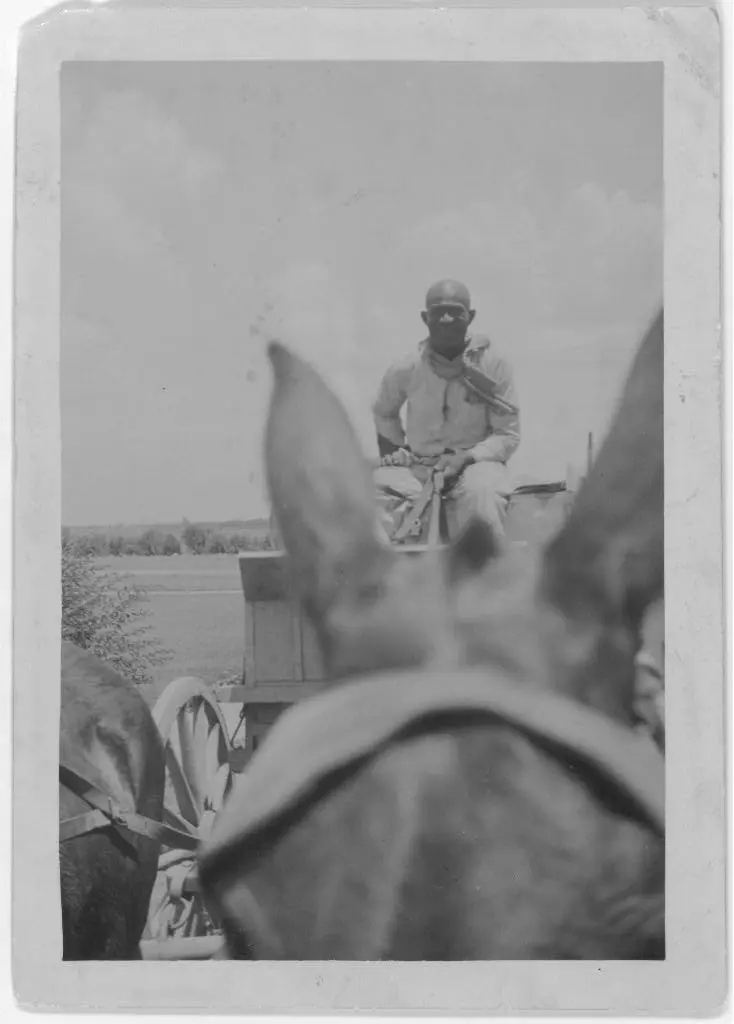
On a May evening, John Lomax stopped the Plymouth on the outskirts of Taylor, Texas and enquired of some African-Americans, who were sitting on their cabin stoop, whether they knew "Clear Rock" who had been released recently from the state penitentiary. They did not know "Clear Rock" but Lomax's description fit one called "Wyandotte" who usually hung around a barber shop on the other side of the railroad. Someone confirmed the belief that Clear Rock and Winedot were one and the same person, namely Moses Platt.
And so the search was on: on the promise of a dime a boy conducted us to Clear Rock's home, only to hear from neighors that Clear Rock and his wife had been seen going up the tracks towards town just ten minutes ago; twenty-five cents was to be the reward for bringing him to our hotel. No word had come by breakfast time, and so Mr. Lomax started out afoot in earch. When he returned to the hotel two hours later, there he found Clear Rock, sitting on the running board of the Lomax automobile; with him was his two-hundred-fifty pound wife, his "seventeen wife," as he told Mrs. Lomax later. They had been waiting at the car from six o'clock. The wife, looming too large for our small hotel room, was dismissed with breakfast. 1939 Southern Recording Trip Fieldnotes
Platt himself was ready and willing to do anything the "boss" asked, except to stop talking. To unwind him somewhat, John Lomax let him record some stories first. The two had met previously at Central State Farm, wherein John and Alan Lomax made some recordings, and Lomax wished to re-record some of his best songs with the improved machine. At first Platt was slow at entering into the spirit of the old work-songs, "disremembering" the words of some of them, because perhaps of two circumstances: Platt was now "The Reverend Moses Platt," devoted to hymns and spirituals, and what secular songs he indulged in were mostly modern jazz, sung for the entertainment of his white friends. After some cajoling words and a substantial contribution to the next Sabbath's collection, Platt overcame his handicaps, and for four hours he told stories and sang and preached and prayed.
Notable recordings by Platt include ► Black Betty a song that entered American pop culture when it was covered by the band 'Ram Jam' in 1977. The identity of 'Black Betty' is open to debate. According to Platt, "Black Betty was a old n***** woman right outa Goree", Goree being the name of a state farm for women.
Historically the "Black Betty" of the title may refer to the nickname given to a number of objects: a musket, a bottle of whiskey, a whip, or a penitentiary transfer wagon. Wikipedia
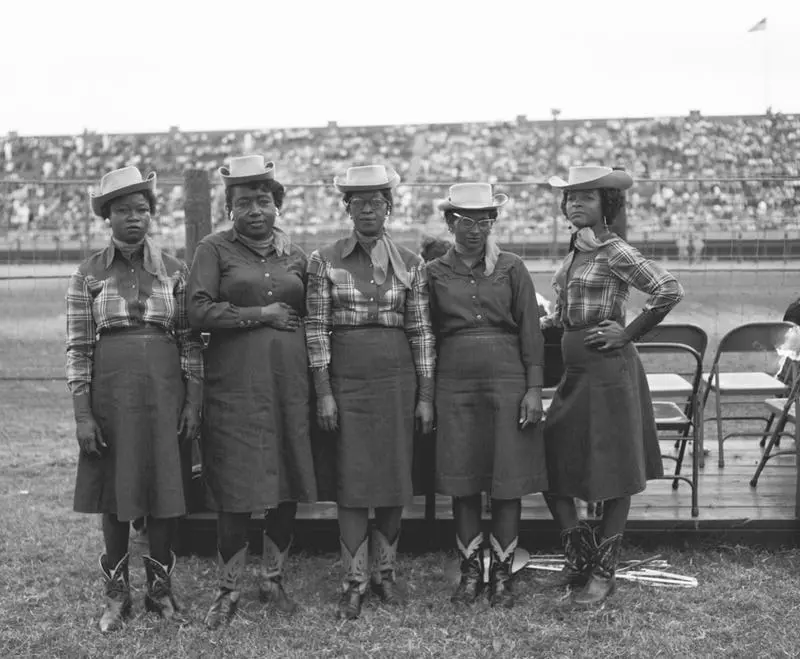
On May 12, John Lomax visited the State Penitentiary in Huntsville, Texas. There he met the director of the broadcast program "Thirty minutes behind the Walls". Some notable recordings include a religious song ► When the Gates Swing Open, the fiddle tune titled ► Inspiration, and the remarkable spoken word recording ► Cat and Dog Fight
Two days later, the Lomaxes visited the Goree state farm for women. There they recorded Hattie Ellis, a popular blues singer on "Thirty minutes behind the Walls". She claimed to have had composed ► Desert Blues. The Captain of the farm told the Lomaxes that Ellis had received 3,000 fan letters in just one week. Ellis was had recieved thirty years of prison for killing a man.
Another Dallas, Texas Negro girl who "come visitin' in Arkansas and got took up for somethin' I didn't do", told us that Hattie wouldn't have got such a long term if she hadn't sassed the judge when he brought her boot-legging activities into the murder case. 1939 Southern Recording Trip Fieldnotes
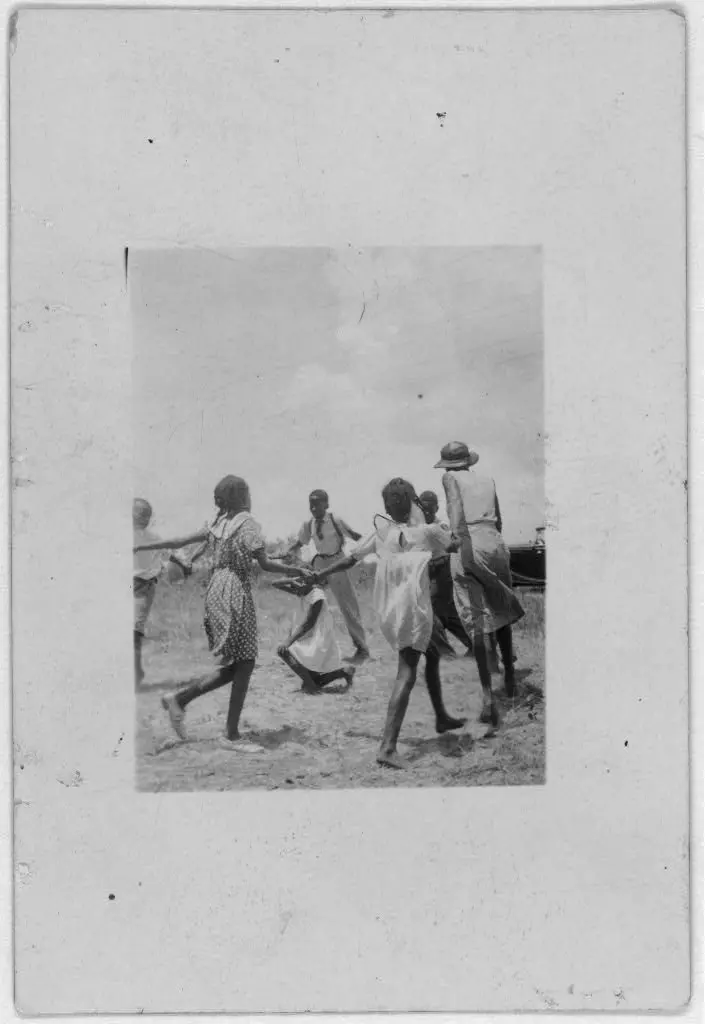
The Lomaxes crossed the state line into Merryville, Louisiana on May 15 but went back into Texas the next day at the urging of Alan Lomax, who wanted them to record Henry Truvillion, an African-American foreman at the Wier Lumber Company, whose farm home was located on the main highway between Newton and Burkeville.
A few miles from Newton the Lomaxes chanced upon the segregated Liberty High School with African-American children playing in the yard. Several little girls were singing a ring game and the Lomaxes stopped and watched. They then asked the principal for permission to interview the children about songs. The principal quickly understood their mission and soon had the entire school assembled in the largest of three classrooms. The children sang and recorded for about an hour, tunes such as ► Lost My Handkerchief Yesterday and ► Hard Times
The Lomaxes then proceeded onto Wiergate, the headquarters of the Wier Lumber Company, which employed many African-American workmen. While they were waiting to see some the Wier officials, the Lomaxes drove over to "the quarters", or the African-American settlement; on the school grounds they saw a group of small girls circling around and singing. Mrs. Lomax asked one of the girls what they were playing. ► Seed-tick, she replied. With the permission of the principal and his wife, an assembly was called. The same group of little girls sang and made other recordings such as ► London Bridge and ► Little Gal, Little Gal, Yes, Ma'am
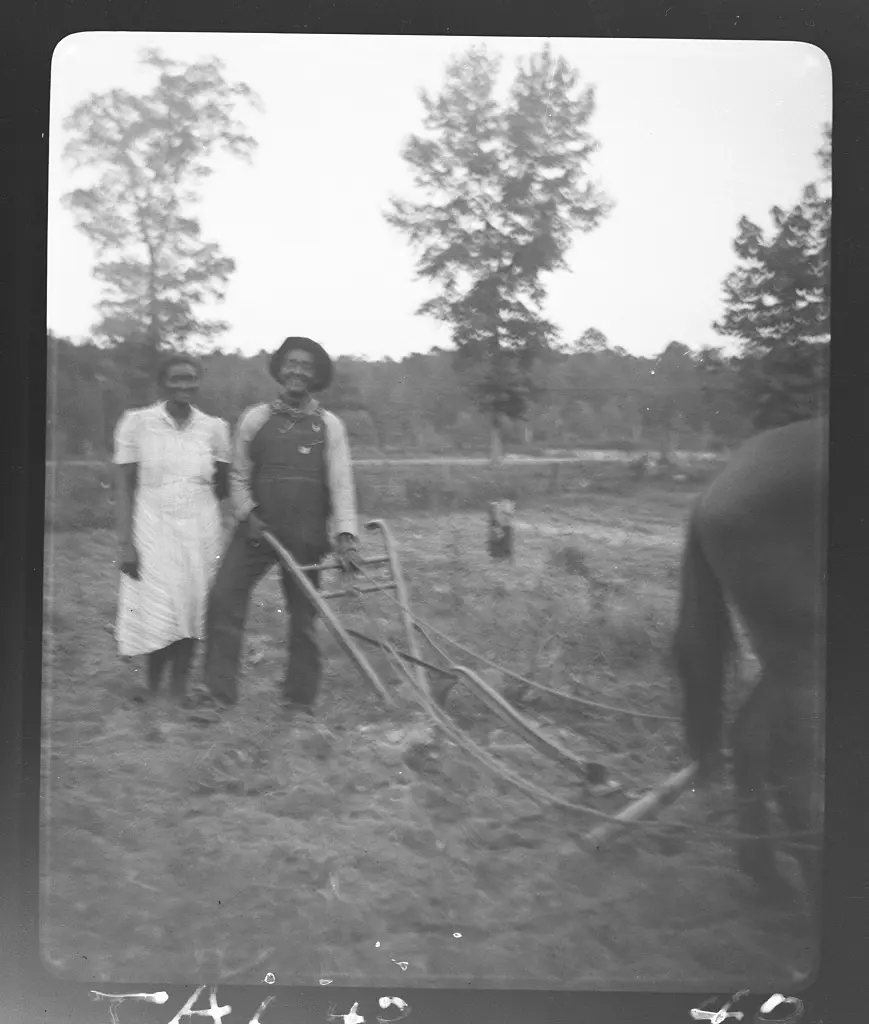
"Yessir, I knows you", said Henry Truvillion as he greeted Mr. Lomax on the porch of his East Texas farmhouse. "You come here once with your son. Yessir, I got your letter, but I didn't see no use to answer, 'cause everything's changed now; I done took to preachin'. I don't sing none o' them songs like you want no more."
"Don't you work at Wiergate any more?" "Oh, yessir, I works on a week days and I preaches on Sundays, first an' third Sundays." "And you quit singing those pretty work songs and calls?" "Oh, no, sir, they's part o' my business. I has to call de track an' all dat to git de work done. But them others, them old-fashioned plantation melods, I done had a complete change an' I don't sing dat kind no more. Us sings spirituals now, an' church hymns,- short meter, yessir, common meter an' long meter, mostly long meter."
1939 Southern Recording Trip Fieldnotes
It was late afternoon, almost dusk and Henry was exhausted. He and his family had just returned from the funeral of his wife's sister-in-law, her brother's wife who had left a tiny baby girl for the Truvillions to "tend". There had been sleepless nights of sitting up, with the sick woman and then with her lifeless body, and everybody was exhausted further by the long exciting funeral service. And so John Lomax did not press Henry Truvillion to promise him "worldly" songs, but let him relax in the cool of the front porch and ramble quietly from snatches of spirituals to comment and miniature sermon.
Henry Truvillion, born in Mississippi, was foreman of a work gang for Wier Lumber Company. He had been twice married and his second wife, a young woman who called him "Mr. Henry", and five children, from eleven years down to one in 1939, helped make his home on his farm on the highway between Newton and Burkeville, Texas, some eight miles from his work which he reached in his substantial-looking green Ford car. Truvillion thought that East Texas lumber may have played out some day, and so he had "bought a little place to work and lay something by." He had a neat white house of four rooms, comfortably furnished, and he and the children cultivated a vegetable garden, flowers in the front yard and an orchard. Cotton, corn and peanuts were his best crops. He also kept a good cow and raised pigs and chickens. The Lomaxes report that his mules looked well-fed.
One evening later in the week we returned and set up our machine with batteries in the Truvillion living-room. We tried to persuade Henry to go with us to our hotel in Newton, where we could hitch on to electricity, but he refused. He said frankly that he was afraid, -afraid that such a visit to a white people's hotel might cause trouble for him after we were gone. 1939 Southern Recording Trip Fieldnotes
Truvillion's wife served as a second line of defense for his conscience in the matter of singing "worldly songs". But after she heard spirituals such as ► The Mighty Rider played back, she made no objections to Henry's recording his everyday work songs, among them ► Steel-driving song and ► Who's Been Here Since I Been Gone. Then she could see no harm in his singing the inoffensive children's songs, especially when he took his daughter into his lap to help with ► Mary had a red dress. Hadn't he sung her to sleep with it many a night? "From then on out" Henry relaxed and let his mind slip back, "way back yander", to his childhood days in Mississippi on through his varied experiences of work and amusement, prompted now and then by a discreetly quiet but leading question from John Lomax. Some of his explanations and comments the Lomaxes tried to record are as interesting as the songs.